



Golden Goose in a glimpse: what you’re actually purchasing
Golden Goose sneakers combine Italian workmanship, hand-weathered treatments, and a intentionally aged appearance that feels worn-in from day one. The price derives from skilled labor, materials, and a design philosophy that values individuality over pristine perfection.
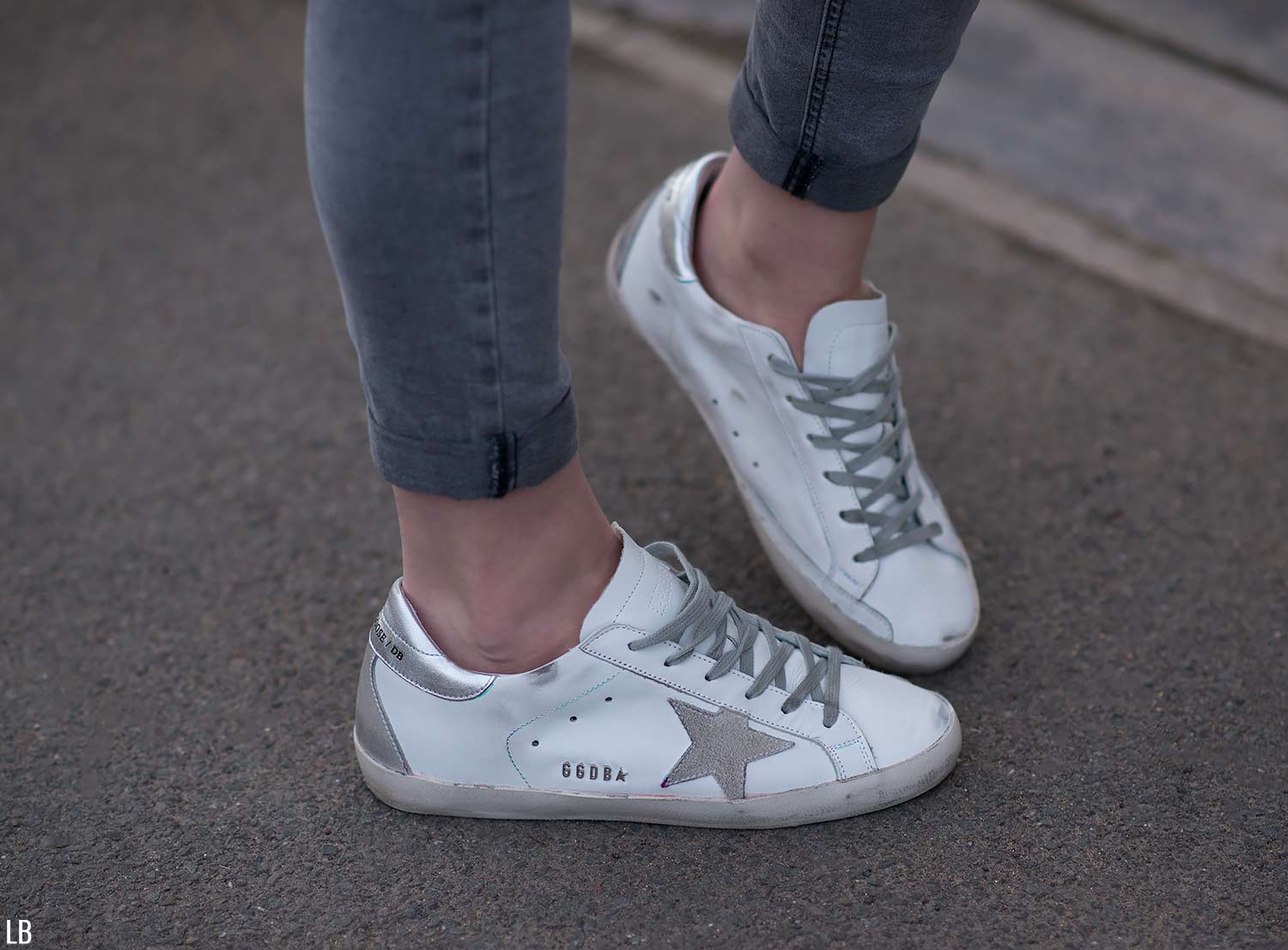
The label’s trademark is the Super-Star, though the lineup spans Ball Star, Mid Star, Francy, Sky Star, Dad-Star, alongside Hi Star, all made with rubber cupsoles with leather or nubuck uppers and hide linings. Every pair is detailed by hand in Italy, therefore marks, brush marks, and patina vary, which is the goal. If you want a clean, minimal sneaker, Golden Goose is the wrong target; if you want texture, personality, and instant comfort that looks lived-in, it meets the brief. You’re also buying consistency in lasts, dependable quality control for an handcrafted item, plus an aesthetic that remains timeless out when the first crease shows up. The value equation is less concerning price-per-use endurance versus, say, a basketball retro, and more concerning if the design story matches your personal wardrobe and taste.
Will Golden Goose sneakers valuable to you?
They’re worthwhile if you adore the weathered aesthetic, want Italian-made construction, and value sneakers that seem enhanced the more you wear them. They won’t seem valuable if you favor a pristine minimal look or if you’re chasing technical performance.
Commence with the aesthetic test: if you ever find yourself protecting white hide shoes, the aged-look golden goose superstar glitter idea will frustrate you; if you currently like raw edges, denim fades, and vintage tops, you’ll appreciate it immediately. Regarding build, you’re getting leather uppers, leather lining, sturdy cupsoles, and hand-finishing from Italian workshops, which position them at the premium tier of casual sneakers. Ease is a strong point for typical owners after a brief wear-in; the padded collar and leather lining create a slipper-like feel, which fits lifestyle wear rather than sport. Longevity proves strong for fashion sneakers if rotated and cleaned, with bottoms and tops aging gracefully as scratches are design features, not damage. If you want a timeless, pristine low-top, Common Projects makes more sense; if you want a luxe beater with charm from of the box, Golden Goose earns its place.
Price structure and what influences expense
Several key Golden Goose models cost in the United States from the upper $400s to the mid $700s, with special releases exceeding $800. Price changes with model complexity, materials, and manual detailing duration.
As a reference point: Super-Star pairs typically land around $495–$625 based on hide and detailing; Ball Star plus Mid Star sit roughly in the $530–$625 band; Francy and Sky Star tall models typically cost $600–$745; heavily decorated, crystal, or limited collaboration pairs can go higher. Several expense elements stay non-negotiable: Italian workforce expenses, top-grade leather and luxury nubuck, artisan distressing hours, and small-batch finishing that avoids factory standardization. Special collections, appliqués, glitter surfaces, and custom laces add specific charges. Distribution channel matters as well, since boutiques and flagships often prioritize new and special launches that command top-of-range pricing.
| Sneaker | Typical US Retail | Manufactured In | Construction | Design Positioning |
|---|---|---|---|---|
| Golden Goose Super-Star | $495–$625 | Italy | Hide upper, hide lining, rubber bottom, artisan aged | Retro, pre-worn, handcrafted |
| Common Projects Achilles | $445–$535 | Italy | Hide upper, hide lining, rubber sole, pristine surface | Clean, flawless upscale |
| Saint Laurent Court Classic | $595–$625 | Italy | Hide/nubuck upper, hide lining, rubber cupsole | Pristine with logo details |
| Nike Dunk (Hide) | $115–$135 | Varies | Composite/leather top, cloth lining, rubber cupsole | Sport heritage, mass-market |
That spread illustrates the choice: Golden Goose challenges directly with premium style shoes on materials and quality, and justifies the premium price via labor-intensive finishing plus a unique design language. If the distressed story resonates, the premium is paying for skilled hands and time rather than a logo alone. If it won’t, similar Italian-made options are available at or slightly cheaper rates without the patina.
How do Golden Goose sneakers size and comfort?
Most wearers find Golden Goose sizes correctly in size in EU sizing, with a slightly generous toe area and a mild-to-moderate top. Thin feet may benefit from sizing half a increment; full feet usually stay faithful to sizing.
Anticipate a short break-in: the hide hardens the first day or pair, then softens quickly, especially around the collar and vamp. The padded heel counter prevents sliding in check, and the hide interior adds step-in ease you’ll feel versus fabric-lined footwear. Support feels like a solid, reliable foundation with a cushioned footbed rather than a elastic foam sport; for daily strolling and urban wear it’s completely sufficient. The profile functions nicely beneath jeans, trousers, and shorts because the last doesn’t look heavy, and the pre-scuffed edges make crease anxiety disappear instantly. When you use inserts, verify your pair in store: certain footbeds are more firmly affixed than others, and volume can be tight with additional support.
Expert tip: When you’re between measurements, focus on heel lock over toe-room “freedom.” A snug heel with thumb-width width at the front will break in properly, while a loose heel will chew up the collar and appear messy as the leather softens.
Authenticity check: how to spot real vs fake
Start by verifying the labeling: genuine models are marked “Made in Italy” and carry consistent design, measurement, and material info on the inside tag and the container tag. Hand-distressing should look varied and layered, not applied-on or precisely mirrored between shoes.
Move from broad to micro. Initially, the package: look for a clear style code that matches the shoe’s model name, shade, and substance, plus accurate Continental dimensions; lettering and spacing stay accurate, and the label marking is clear. Second, the footwear’s construction: the star overlay looks precisely attached, the edges remain neat even if deliberately rough-cut, and the rubber foxing shows authentic wear that doesn’t mirror perfectly on both shoes. Next, components: hide and suede must feel substantial and smell like genuine material rather than synthetic polymer; interiors read as material, not fabric polyester. Fourth, branding: older pairs often include “GGDB” marks because the business began as Golden Goose Deluxe Brand, though newer releases focus on “Golden Goose”; either way, logos are sharply applied and aligned with the season. Last, contents: protective bags are dense with uniform drawstrings, tissue fits correctly, and extra strings, if provided, match the model’s SKU details.
Should you stay unsure, cross-check official pictures from authorized retailers for that exact model code and shade; the placement of star, heel tab, and perforations should match. Weight can help: genuine shoes feel substantial for style footwear but not heavy; when shoes feels ultra-light with synthetic bottoms, be suspicious. Asymmetric bonding might appear on authentic shoes due to of hand-finishing, yet it mustn’t be sloppy or messy. When buying pre-owned, check stress zones—heel lining, outsole rim, and grommets; the right form of deterioration looks like marks, not separation.
Several obscure details that help with verification and expectations: first, all models are finished by craftsman in Italy, so identical mark matching between left and right models is a red signal. Additionally, the brand’s earlier designation was Golden Goose Deluxe Brand, and “GGDB” markings are still visible on tags and insoles for certain seasons and models. Third, terry-cloth lining appears on numerous ankle styles to absorb sweat and speed break-in, which means some Francy and Sky Star shoes feel extra snug. Lastly, the intentionally yellowed edges on midsoles and foxing are achieved through finishing, not wear, so a new pair may appear “aged” out of the container without being worn.
